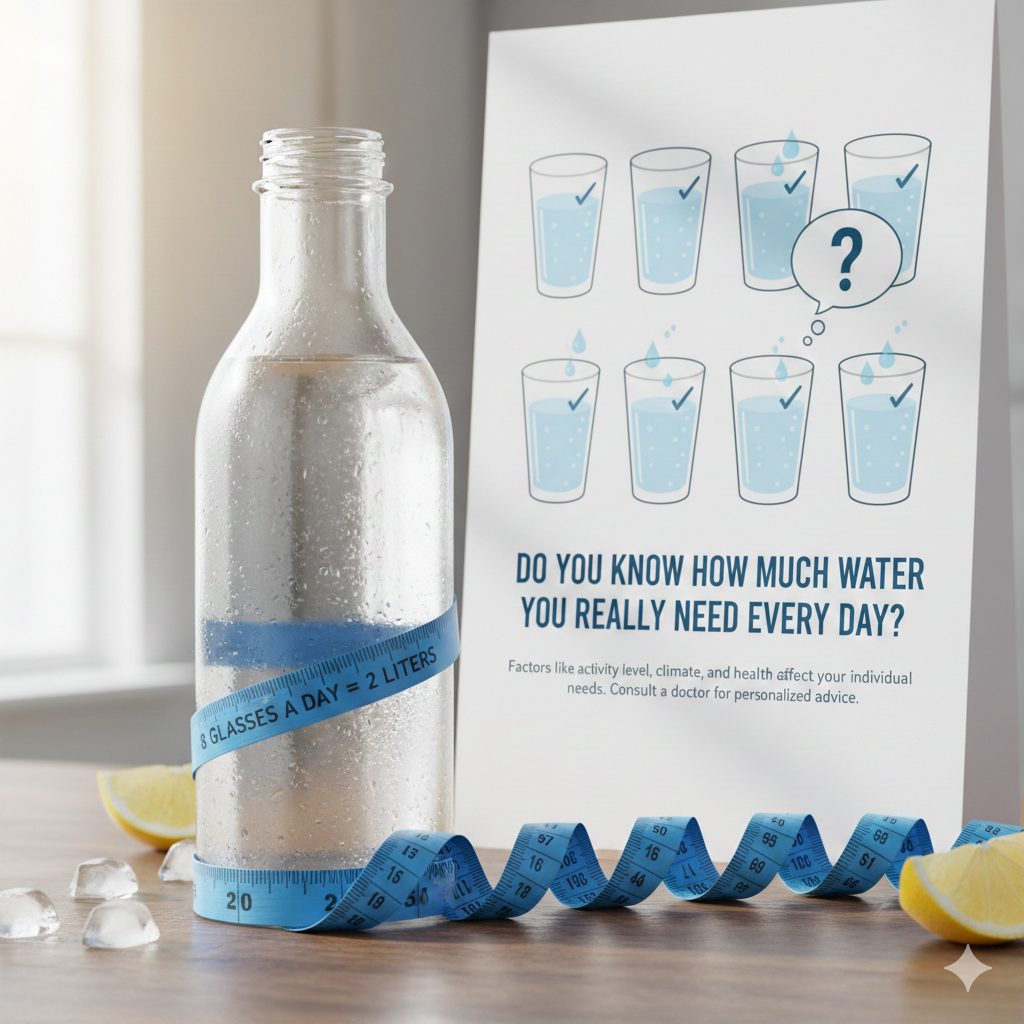
Have you ever asked yourself, “Am I drinking enough water?” Most people don’t realize how critical proper hydration is for health, energy, and even brain function. Water makes up about 60% of the human body, and staying hydrated impacts everything from digestion to mood. But how much water do you really need every day, and are there smarter ways to stay hydrated? Let’s find out.
Why Water Is So Important
Water is involved in almost every bodily function:
- Regulates body temperature through sweating and respiration
- Transports nutrients and oxygen to cells
- Removes waste through urine and sweat
- Lubricates joints and cushions organs
- Supports brain function, memory, and concentration
Even mild dehydration can cause fatigue, headaches, and poor focus. That’s why knowing how much water your body needs is essential.
How Much Water Do You Actually Need?
The old advice, “Drink 8 glasses of water a day,” is not one-size-fits-all. Your water needs depend on:
- Body weight – Heavier people generally need more water.
- Activity level – Active people or athletes lose more water through sweat.
- Climate – Hot or humid weather increases water needs.
- Diet – Foods like fruits, vegetables, and soups contribute to hydration.
A general guideline is 0.5 to 1 ounce of water per pound of body weight, but this varies depending on your lifestyle.
Signs You Might Be Dehydrated
Do you experience:
- Dry mouth or lips
- Headaches
- Fatigue or low energy
- Dark yellow urine
- Trouble concentrating
These are signs that your body needs more water. Paying attention to these signals is crucial for preventing more serious dehydration.
How Water Affects Energy and Brain Function
Did you know that even mild dehydration can reduce cognitive performance by up to 20%? Water affects your brain’s:
- Concentration – Dehydration makes it harder to focus on tasks.
- Memory – Short-term memory may decline when you’re dehydrated.
- Mood – Fatigue and irritability are common signs of low hydration.
Drinking enough water daily ensures your mind stays sharp and alert.
Smart Ways to Stay Hydrated
Here are practical strategies to ensure you get enough water every day:
1. Start Your Day With Water
Drink a glass of water first thing in the morning. Overnight, your body becomes slightly dehydrated, and morning hydration jumpstarts metabolism and energy.
2. Carry a Reusable Water Bottle
Having water on hand makes it easier to drink throughout the day. Aim to sip regularly rather than chugging large amounts at once.
3. Eat Water-Rich Foods
Fruits and vegetables like watermelon, cucumbers, oranges, and lettuce contribute significantly to daily hydration. Soups, smoothies, and herbal teas count too!
4. Monitor Urine Color
A simple way to track hydration is by observing your urine:
- Pale yellow = well hydrated
- Dark yellow = drink more water
It’s a quick, effective, and natural hydration check.
5. Set Reminders
Use phone alarms or apps to remind yourself to drink water. It’s easy to forget, especially on busy days.
How Much Water Is Too Much?
While rare, it is possible to drink too much water, leading to a condition called hyponatremia (low sodium levels in the blood). Symptoms include nausea, headache, and confusion. Stick to reasonable amounts based on your body weight and activity level.
Hydration and Fitness
If you exercise, water is even more critical:
- Drink before, during, and after workouts
- Consider electrolyte drinks for intense training lasting more than 60 minutes
- Hydration supports muscle function, endurance, and recovery
Proper water intake enhances performance and prevents injury.
Fun Facts About Water
- The human brain is about 75% water, making hydration crucial for thinking clearly.
- Even mild dehydration can affect reaction times and coordination, similar to being tired or distracted.
- Drinking water can help reduce appetite, supporting weight management naturally.
Conclusion
Water is not just a drink—it’s a critical element for energy, focus, health, and well-being. Knowing how much water your body needs and staying consistently hydrated can boost productivity, mood, and overall health.
Ask yourself today: “Have I had enough water to support my mind and body?” Even small habits, like starting the day with water and sipping throughout, can have a big impact on your daily life.